

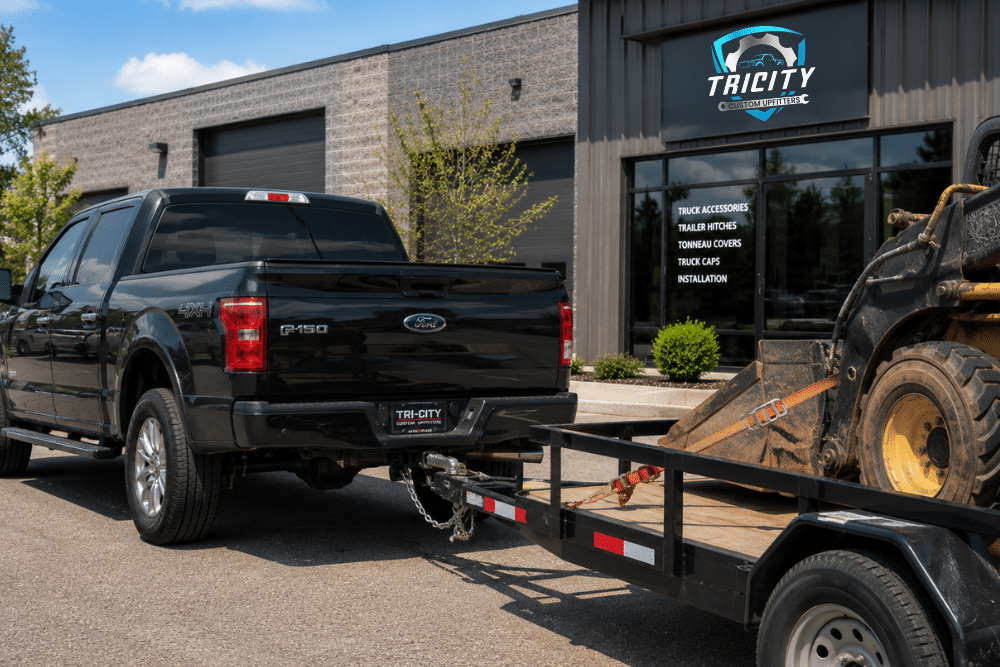
Choosing the right trailer hitch is one of the most important decisions you can make when preparing your vehicle for towing. Whether you need to pull a utility trailer for work, transport recreational equipment on weekends, or tow heavy equipment for your business, the correct hitch improves safety, reliability, and overall towing performance.
Not every trailer hitch is designed for every vehicle or towing application. Factors such as vehicle type, trailer weight, cargo, and towing frequency all influence which hitch is the best fit. For drivers throughout Cambridge, Kitchener, and Waterloo, understanding the available options can help you make an informed decision before investing in equipment and installation.
Why Choosing the Right Trailer Hitch Matters
A trailer hitch serves as the critical connection between your vehicle and the trailer it is towing. Choosing the wrong hitch can reduce towing stability, increase wear on your vehicle, and create unnecessary safety risks on the road.
The right hitch provides the strength and support required for your intended towing application while ensuring compatibility with your vehicle’s design. It also allows other towing components, such as ball mounts, wiring harnesses, and weight distribution systems, to function correctly.
Selecting the proper trailer hitch from the beginning helps protect your investment while giving you greater confidence every time you tow.
Understanding Trailer Hitch Classes
Trailer hitches are available in several classes, each designed for different towing applications. Understanding these classifications helps narrow your options based on the type of vehicle you own and the loads you plan to tow.
Class I hitches are typically designed for lighter-duty applications, making them suitable for small utility trailers, bike racks, and cargo carriers.
Class II hitches provide additional capacity for slightly heavier recreational trailers and small campers while remaining appropriate for many passenger vehicles and compact SUVs.
Class III hitches are among the most common options for pickup trucks and larger SUVs. They offer excellent versatility for towing utility trailers, small boats, enclosed trailers, and recreational equipment.
Class IV hitches are intended for heavier towing applications, making them popular among contractors, commercial operators, and drivers towing larger trailers on a regular basis.
Class V hitches are designed for the most demanding towing requirements and are commonly found on heavy-duty pickup trucks and commercial vehicles.
Although hitch classes provide general guidance, towing capacity ultimately depends on both the hitch and the manufacturer’s specifications for your vehicle. Professional guidance helps ensure the entire towing system is properly matched.
To learn more about available options, visit the Trailer Hitches page.
Matching the Hitch to Your Vehicle
Every vehicle has unique towing capabilities, which is why selecting the correct hitch involves much more than simply choosing the highest available class.
Pickup trucks often provide the greatest flexibility because of their stronger frames and higher towing capacities. Many owners tow utility trailers, construction equipment, boats, or campers throughout the year.
SUVs can also serve as capable tow vehicles when equipped with the proper hitch and towing package. They are commonly used for family campers, small travel trailers, cargo trailers, and recreational equipment.
Vans are frequently used by contractors and commercial businesses that require enclosed cargo trailers or equipment trailers for daily operations.
Commercial fleet vehicles often require specialized towing solutions that support heavier loads while meeting operational demands.
Because every vehicle is engineered differently, not every trailer hitch fits every application. Professional fitment ensures compatibility while helping maintain safe towing performance.
Common Towing Mistakes to Avoid
Many towing problems begin before the vehicle ever leaves the driveway.
One of the most common mistakes is exceeding the manufacturer’s recommended towing capacity. Overloading places additional stress on the suspension, brakes, transmission, and hitch itself, reducing vehicle control and increasing wear.
Another common issue is selecting the wrong ball mount or hitch ball. Improper height or incorrect sizing can affect trailer balance and stability, making towing more difficult.
Improper weight distribution is another factor that can negatively affect steering, braking, and overall handling. Proper trailer loading helps maintain better vehicle control throughout the trip.
DIY installation also introduces unnecessary risks. Improper mounting, incorrect torque specifications, or faulty electrical wiring can compromise both safety and long-term reliability.
Benefits of Professional Trailer Hitch Installation
Professional trailer hitch installation provides much more than simply attaching a receiver to the vehicle.
Experienced installers ensure the hitch is correctly matched to your vehicle and installed according to manufacturer specifications. This helps maximize structural integrity while maintaining proper alignment.
Electrical wiring is another critical component of safe towing. Properly installed wiring ensures brake lights, turn signals, and trailer lighting function correctly, helping other drivers clearly see your intentions on the road.
Professional installation also includes verifying hardware, inspecting mounting points, and confirming that all components operate safely together before the vehicle is returned to the owner.
The result is a towing system that performs reliably for years while providing greater confidence every time you connect a trailer.
Commercial and Recreational Towing Needs
Different trailers place different demands on your towing equipment.
Contractors frequently tow utility trailers, enclosed equipment trailers, and material haulers that require dependable performance during daily use.
Recreational users often tow boats, campers, travel trailers, motorcycles, ATVs, or snowmobiles, making versatility and reliability equally important.
Businesses operating commercial fleets may require standardized towing equipment across multiple vehicles to improve efficiency and simplify maintenance.
Regardless of the application, selecting the correct trailer hitch helps ensure your towing setup remains safe, stable, and dependable.
Signs It’s Time to Upgrade Your Hitch
Your towing requirements may change over time.
Purchasing a larger trailer often requires a higher-capacity hitch or additional towing accessories.
Buying a new vehicle may also require a different receiver hitch designed specifically for that model.
Some drivers begin towing only occasionally but later find themselves using trailers regularly for work or recreation. Increased towing frequency can justify upgrading to equipment that better supports long-term use.
Growing commercial operations may also require heavier-duty towing systems that keep pace with expanding business needs.
Reviewing your towing equipment periodically helps ensure it continues to match your current requirements.
Next Step for Cambridge Area Drivers
Choosing the right trailer hitch is about more than towing capacity. It is about ensuring every component works together safely, efficiently, and reliably for the way you use your vehicle. Professional guidance can help you select the appropriate hitch while ensuring it is installed correctly for long-term performance.
If you are planning to tow for work or recreation, book a trailer hitch consultation to ensure your vehicle is equipped with the right hitch for safe towing by visiting the Contact page.